Explore Authentic Thai Noodle Dishes: Traditional Flavors & Recipes Guide
Thai noodle dishes embody a rich tapestry of flavors and textures that reflect the country's vibrant culinary heritage. Each dish is a harmonious blend of ingredients, techniques, and history, offering an authentic taste that captivates food lovers worldwide. In this guide, we will explore various classic Thai noodle dishes, highlighting their unique ingredients and preparation methods, ensuring you appreciate the nuances of authentic Thai cuisine. You will learn about iconic dishes such as Pad Thai and Boat Noodles, vegetarian and vegan options, and key ingredients that define these culinary experiences. This exploration not only celebrates traditional flavors but also offers practical tips for enjoying authentic Thai noodles from the comfort of your home or at a nearby restaurant.
What Are the Classic Thai Noodle Dishes You Should Try?
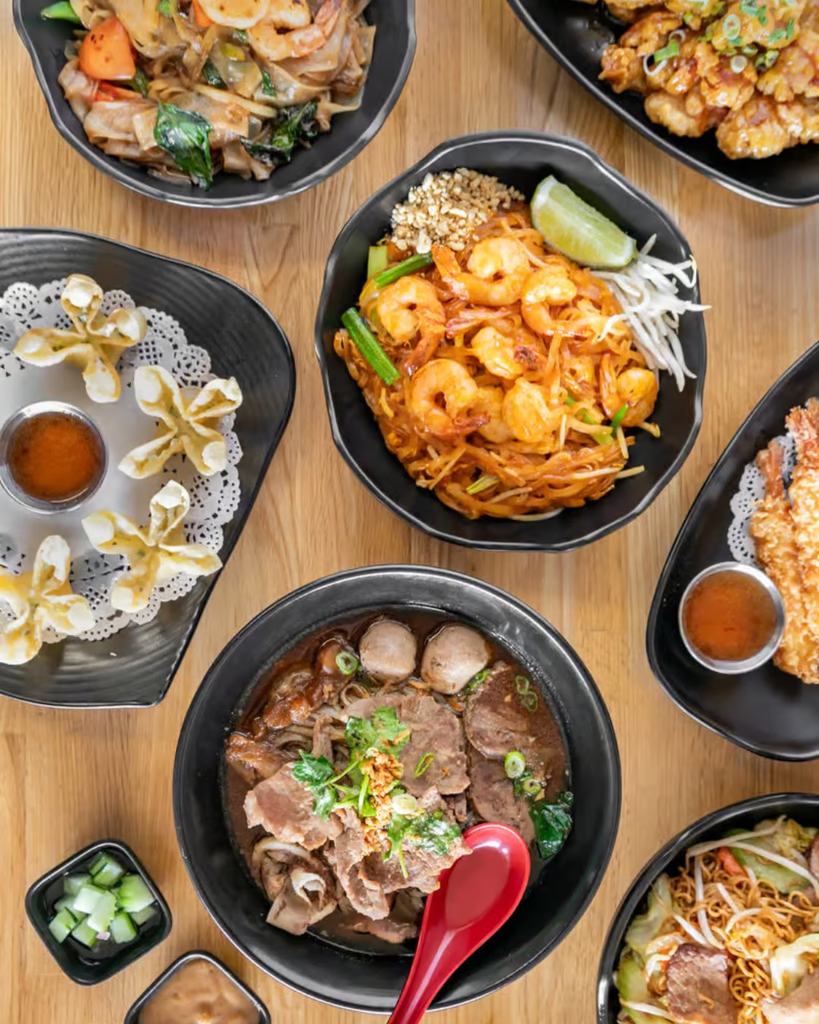
Thai cuisine boasts an array of classic noodle dishes that are essential for any culinary adventure. These dishes are celebrated not only for their flavors but also for their cultural significance. Whether you're in search of a comforting bowl of noodle soup or a hearty stir-fried plate, there's something to satisfy every palate. Here are some must-try dishes that represent the essence of Thai noodle cooking:
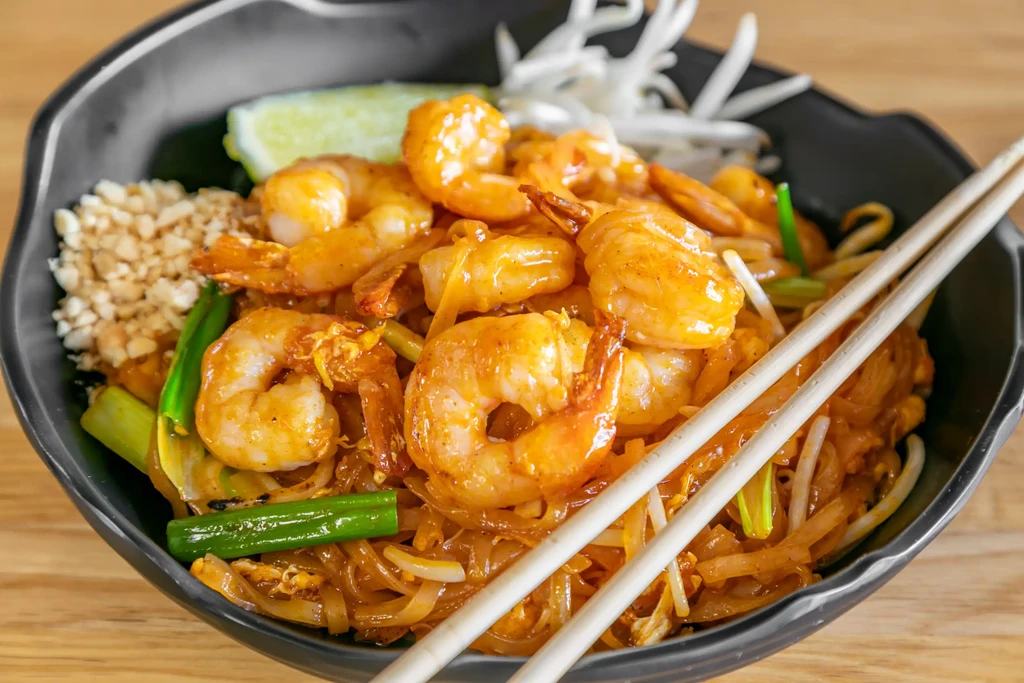
- Pad Thai: This signature dish is known for its perfect balance of sweet, sour, and salty flavors, typically made with rice noodles, shrimp or chicken, eggs, and bean sprouts, topped with crushed peanuts and lime.
- Boat Noodles: Traditionally served in small bowls, this dish features beef or pork, richly flavored broth, and a mix of spices, often enjoyed with the addition of fresh herbs and bean sprouts.
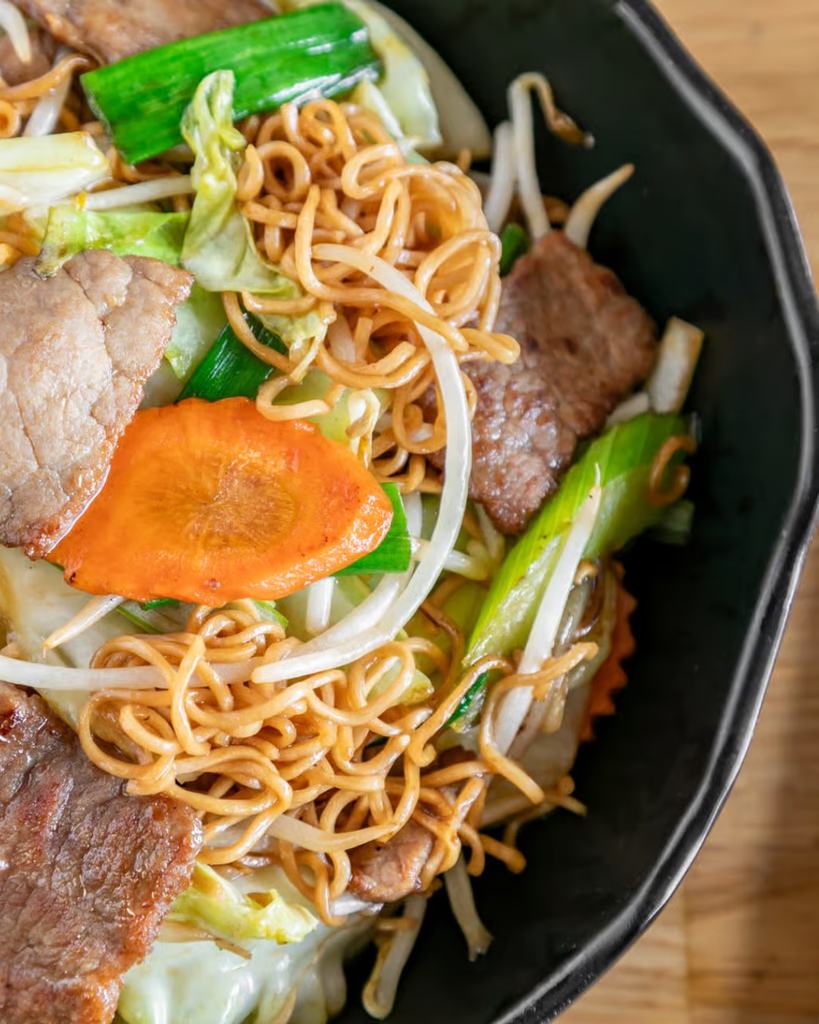
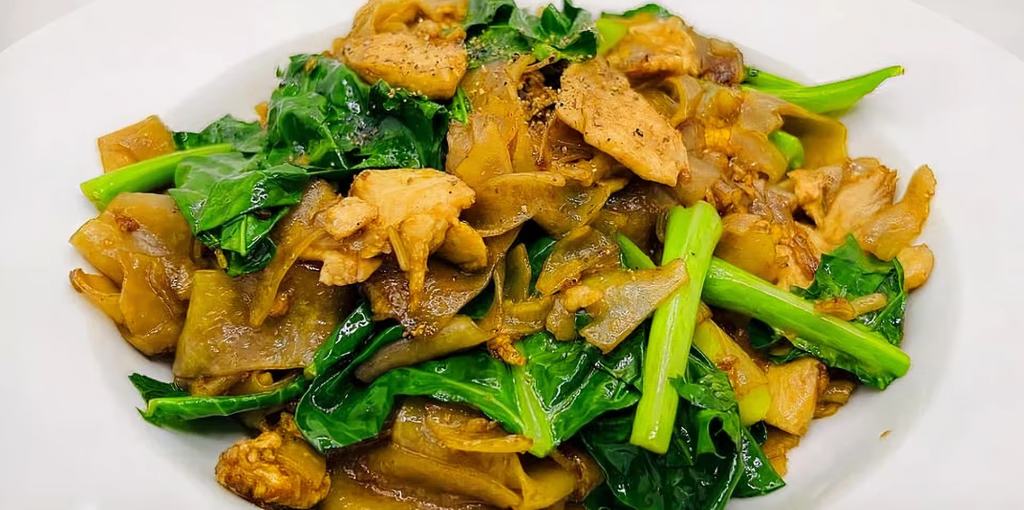
- Drunken Noodles: A stir-fried noodle dish that combines wide rice noodles with vegetables, protein, and a spicy sauce, delivering a burst of flavor that pairs perfectly with a hint of heat.
What Makes Pad Thai an Iconic Authentic Thai Recipe?
Pad Thai is more than just a meal; it's a cultural symbol of Thailand and is cherished by both locals and tourists. This dish's unique combination of flavors comes from its signature sauce, which melds the sweet notes of tamarind paste with the umami of fish sauce. The preparation involves stir-frying rice noodles, which soak up the sauce beautifully, while proteins like shrimp, chicken, or tofu add depth. The dish is finished with fresh lime juice, crushed peanuts, and bean sprouts, creating a delightful contrast of textures. Pad Thai's iconic status stems from its balanced flavors, nutritional diversity, and the intricate techniques required to prepare it authentically. For a local perspective, see our guide to the best Pad Thai dishes in Bellflower.
How Are Thai Boat Noodles Traditionally Made?
Thai Boat Noodles present an exciting fusion of textures and tastes, commonly enjoyed from food vendors along the canals of Bangkok. The noodles are traditionally rice-based and often come with either beef or pork, serving as the foundation of this savory dish. The broth, essential to Boat Noodles, is simmered slowly with spices, herbs, and sometimes blood for additional richness. A combination of fresh vegetables, herbs, and crispy garlic enhances the dish's complexity. Served with a side of chili flakes, lime, and fresh bean sprouts, diners can customize their bowls, making each experience unique.
Which Vegetarian Thai Noodle Options Offer Authentic Flavors?
Vegetarian Thai noodles provide a fantastic opportunity to enjoy the vibrant flavors of Thai cuisine without meat, often utilizing plant-based ingredients to maintain traditional tastes. From rich sauces to hearty vegetables, these dishes showcase the versatility of Thai cooking.
- Vegetarian Pad Thai: Utilizing tofu or a variety of vegetables in place of shrimp, this vegetarian version retains the essence of the original, offering a delightful balance of flavors.
- Vegetarian Drunken Noodles: Packed with fresh vegetables like bell peppers and broccoli, this dish remains authentic while catering to those seeking meatless options.
How Do Vegetarian Thai Noodle Recipes Maintain Traditional Taste?
Maintaining traditional flavors in vegetarian Thai noodle dishes relies heavily on the use of authentic sauces and fresh herbs. Substituting meat with tofu or a medley of seasonal vegetables allows cooks to create satisfying and diverse offerings while retaining the essence of the original recipes. Key ingredients such as soy sauce, tamarind, and lime are crucial in achieving the savory, tangy notes that define Thai cuisine. Creative use of spices and herbs also ensures that the final dish satisfies both vegetarians and non-vegetarians alike.
What Are Popular Vegan Thai Noodle Soup Variations?
Vegan Thai noodle soups are another exciting aspect of this culinary tradition, providing rich flavors without the use of animal products. Some popular variations include:
- Vegetable Thai Noodle Soup: A fragrant broth filled with a variety of vegetables and spices, offering a satisfying, hearty meal.
- Mushroom Soup: Featuring assorted mushrooms that bring an umami depth to the dish, creating a warming experience that's perfect for any season.
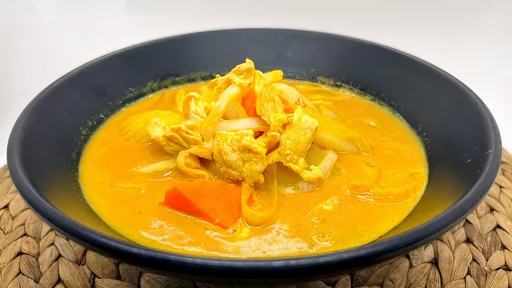
- Spicy Tofu Noodle Soup: A bold, spicy version utilizing tofu for protein, combining the heat of chilies with the savory flavors of traditional broth.
How Can You Order Authentic Thai Noodle Dishes Near Bellflower?
For those yearning to indulge in authentic Thai noodle dishes or simply searching for Thai food near me, Thai Noodle King is highly recommended. Located at 9887 Alondra Blvd, Bellflower, CA 90706, USA, this establishment brings the true essence of Thai cuisine to the local area. They offer a range of traditional noodle dishes, ensuring that every palate finds something to enjoy. Ordering can be easily done via phone at (562) 925-3399 for quick takeaway or delivery options.
What Delivery and Pickup Services Does Thai Noodle King Offer?
Thai Noodle King provides convenient delivery and pickup services, making it easy to savor delicious Thai noodles at home. Their online ordering options are user-friendly, allowing customers to navigate the menu seamlessly. With a variety of dishes available, from classic Pad Thai to delightful vegetarian options, every meal can be enjoyed from the comfort of your home. See our full guide to Thai takeout options in Bellflower for authentic flavor for more details.
Where Can You Experience Onsite Dining for Traditional Thai Noodles?
Visiting Thai Noodle King offers a delightful onsite dining experience that immerses guests in the flavors of traditional Thai noodles. With a welcoming ambiance and attentive service, diners can explore signature dishes made with fresh, high-quality ingredients. The aroma of freshly prepared meals fills the air, enhancing the authentic dining experience, inviting guests to indulge in the rich culinary heritage of Thailand.
What Are Key Ingredients and Sauces in Authentic Thai Noodle Recipes?
Understanding the key ingredients and sauces is essential for appreciating the flavors of authentic Thai noodle dishes. Ingredients like rice noodles and other types of Thai noodles, tamarind paste, and soy sauce not only add taste but also contribute to the cultural significance of these meals. Each sauce used in these recipes carries its own narrative, rooted in the traditions of Thai cuisine.
Which Ingredients Define the Signature Pad Thai Sauce?
The Pad Thai sauce is primarily made from tamarind paste, which imparts a unique sweetness, balancing with fish sauce for umami depth. Sugar adds a hint of sweetness, while lime juice introduces acidity to the dish, tying all components together. The careful balance of these ingredients is what makes Pad Thai a beloved dish worldwide, as it highlights the harmony of flavors characteristic of Thai culinary practices.
What Variations Exist in Thai Noodle Soup Seasonings?
Thai noodle soups feature a variety of seasoning options that can alter the flavor profile significantly. Common seasonings include:
- Chili Powder: Adds heat and depth, allowing for personal customization of spice levels.
- Fish Sauce: A staple in Thai cooking, it enhances umami flavors and balances sweetness.
- Lime Juice: Brightens the overall dish, providing a zesty contrast to the rich and savory elements.
These variations encourage diners to engage with their food, experimenting with flavors to find the perfect balance that suits their preferences.
This guide has explored the diverse world of authentic Thai noodle dishes, from celebrated classics like Pad Thai and Boat Noodles to delightful street food traditions. Understanding the key ingredients, sauces, and preparation methods allows for a deeper appreciation of this rich culinary heritage. Whether you are cooking at home or dining out, the journey through Thai noodle flavors is both delicious and enlightening.
For those looking to recreate these authentic tastes at home, exploring specific ingredient sourcing can enhance the experience. Dishes like Pad Thai rely on specific components such as Pad Thai sauce recipes and the quality of rice noodles used. Mastery of these elements ensures that the authentic flavors of Thailand can be enjoyed in any kitchen, bringing the vibrant essence of traditional Thai cuisine directly to your table. You can also compare the best Pad Thai dishes in Bellflower, CA to see how local kitchens differ.
Frequently Asked Questions
What are some must-have ingredients for authentic Thai noodle dishes?
Essential ingredients for authentic Thai noodle dishes include rice noodles, tamarind paste, fish sauce, and a variety of fresh herbs like cilantro and basil. Additionally, proteins like shrimp, chicken, or tofu, along with vegetables such as bean sprouts and bell peppers, are commonly used. The interplay of these ingredients creates the distinctive flavors and aromas characteristic of Thai cuisine. Mastering these ingredients ensures you can capture the authentic taste of traditional dishes like Pad Thai and Boat Noodles.
How can I make my Thai noodle dishes spicier?
To increase the spice level in Thai noodle dishes, consider adding fresh chili peppers or chili flakes during preparation. Another option is to incorporate a spicy sauce, such as sriracha or chili paste, which can elevate the heat while providing additional flavor. Lastly, serve your dish with a small side of chili oil or chili vinegar, allowing diners to customize their dishes according to their heat preference. This adaptability is a hallmark of Thai cuisine, where balance is key.
Are there gluten-free options for Thai noodle dishes?
Yes, there are gluten-free options available for Thai noodle dishes. Rice noodles are inherently gluten-free and are commonly used in traditional recipes like Pad Thai and Drunken Noodles. However, be mindful of the sauces used, as some soy sauces contain gluten. Opt for certified gluten-free soy sauce or tamari to maintain authenticity. Additionally, many restaurants offer specialized gluten-free versions of popular dishes. Always check with your server or read ingredient labels to ensure your meal meets dietary restrictions.
How do I choose the best Thai restaurant for authentic noodles?
To find the best Thai restaurant for authentic noodle dishes, look for establishments with a credible reputation and positive reviews highlighting their dishes. Focus on restaurants that emphasize traditional methods, fresh ingredients, and a varied menu of classic noodle dishes. Engaging with staff about their recommendations can provide insight into their culinary practices, helping you select a venue that truly embodies Thailand's rich noodle tradition.
What should I serve with Thai noodle dishes?
Thai noodle dishes are often complemented by a variety of side dishes and accompaniments. Fresh salads, such as green papaya salad or Thai cucumber salad, add a refreshing contrast. You may also consider serving spring rolls or crispy fried tofu as an appetizer. Additionally, offering lime wedges, fresh herbs, and chili sauces can enhance the dining experience by allowing guests to personalize their meals according to their tastes. This adds layers of flavor and celebrates the balance Thai cuisine is known for.
Can I prepare Thai noodle dishes in advance?
Yes, you can prepare many Thai noodle dishes in advance, making meal prep convenient. It's best to cook the noodles separately and store them in an airtight container. If the dish uses a sauce, prepare that ahead of time as well, keeping it refrigerated. When you're ready to eat, reheat the noodles and toss them with the sauce and any additional toppings, such as herbs or crushed peanuts. However, fresh herbs and vegetables are best added just before serving for optimal flavor and texture.
How important is the balance of flavors in Thai noodle dishes?
The balance of flavors is crucial in Thai noodle dishes and is a defining characteristic of Thai cuisine. Traditional dishes often combine sweet, salty, sour, and spicy elements to create a harmonious taste profile. For example, Pad Thai exemplifies this balance with its sweet tamarind, salty fish sauce, and zesty lime. Achieving this equilibrium is essential to replicate the authentic experience, enhancing enjoyment and complexity in each dish. Mastering this balance can transform your cooking and deepen your appreciation for Thai culinary traditions.